Venetian glass appeared in Italy at the turn of the 12th-13th centuries thanks to Venice's close ties with the eastern countries, from where the first glass products came, as well as the basic technologies for producing and painting glass. Thanks to the good policy of the authorities and the work of the first glassmakers in Venice, Venetian glass quickly gained immense popularity and love in Medieval Europe.
The skill of glassmaking gained social importance and status, the secrets of glassmaking began to be accumulated and preserved in family workshops and passed down from father to son for dozens of generations. Glaziers enjoyed many privileges, and it was an honor for noble and wealthy families to be related to a family of glassmakers.
Both the glassmakers themselves and the Venetian rulers helped to protect the secrets, so that they did not spread not only beyond the borders of Italy, but also beyond the borders of Venice. To ensure maximum protection, decisive and typical measures of that time were taken - all furnaces and workshops, without exception, were transferred to the island of Murano , located in the Venetian lagoon, under the pretext of protecting the city from possible fires associated with the technological process of glass production .
Since then, Italians, and Europeans in general, began to call Venetian art glass Murano . In addition, there was a secret police whose task was to search for fugitive glassmakers throughout Europe and beyond its borders, to severely punish masters who dared to leave Italy and spread the secret of Murano glass . Even the raw material for the production of glass, more precisely, some ingredients of the glass mass that give the glass its beautiful color, unusual texture or unique strength, became the secret of different families.
Time passed, people and eras changed, Venetian glass from Murano glass also changed, new technologies were studied, experiments were conducted, but the traditions of making glass products did not change. To this day, everything is done by hand, there are no machines, no forges, no cheap and economical technologies. The traditions of hand-making stylish jewelry and exclusive decorative products are alive to this day.
There are several technologies used in the production of Murano glass:
- Agate glass – glass made of multi-colored layers arranged in different planes that look like agate.
- Aventurine glass – it is extremely beautiful, it is obtained by adding copper crumb to the glass mass, which crystallizes at high temperature and gives a unique effect.
- Filigree glass – is obtained by adding thin colored threads to the glass mass, which represent a chaotic tangle or a regular network. With the help of some technological subtleties after blowing the glass, the product acquires a unique color and mesh texture.
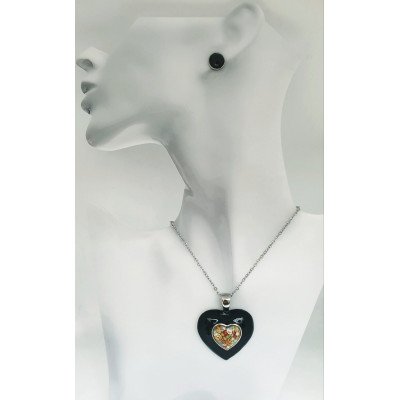
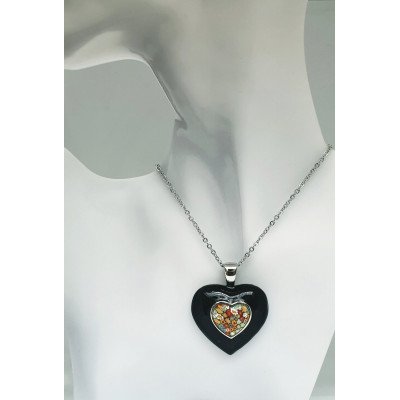
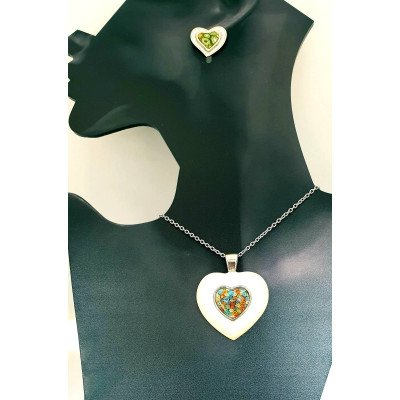
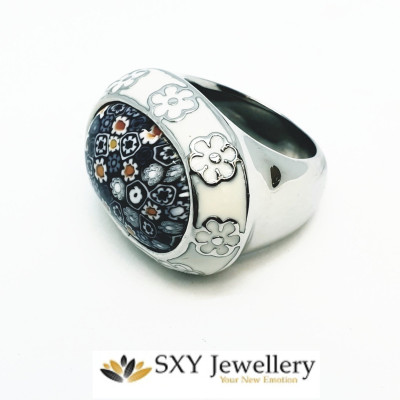
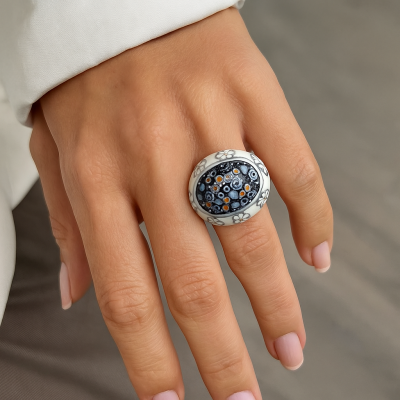
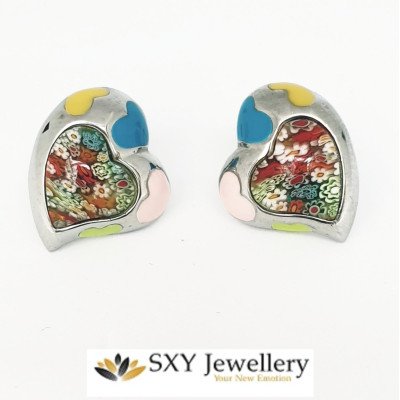
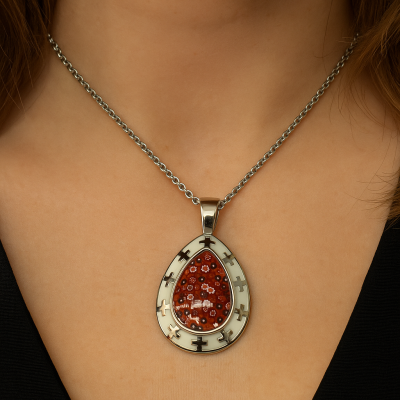
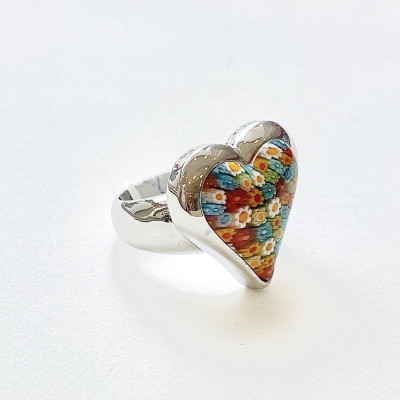
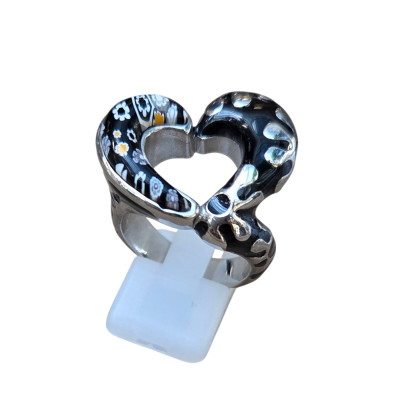
- Mosaic glass – thin rods of layered multi-colored glass, which in cross-section have the shape of a flower, star, circle or other geometric figure, are cut into 1 millimeter pieces and merged into other glass shapes.
- Crackling – a hot object is immersed in cold water, which provokes the cooling and breaking of the outer layer of the glass.
- Pulegoso – this method creates a network of bubbles on the surface of the glass.
Today, Italian craftsmen on the island of Murano can offer the world a huge assortment of glassware – from stylish ornaments , accessories and jewelry to artistic interior items (chandeliers, vases and tableware, candlesticks and lamps, statuettes and large sculptures...).
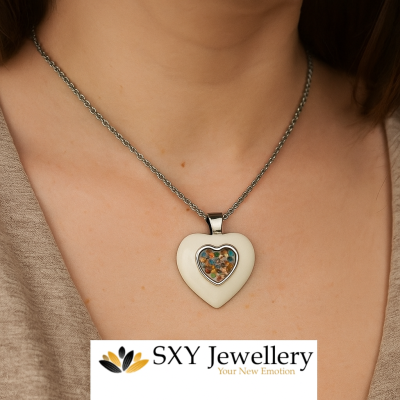
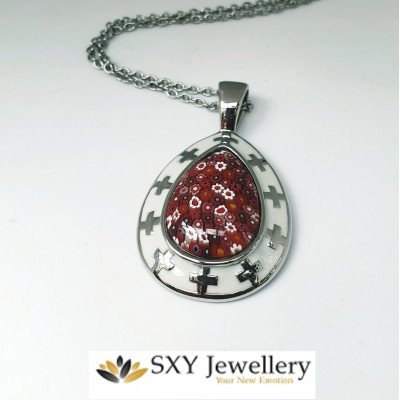
You already know how much history there is in Murano jewelry , which we offer for you at very good prices - be unique, stylish and beautiful with our offers.